Find your ip address find your ip address becomes easier to understand when you connect each term to one job in the network. Internet addressing can look complicated because several layers operate at once, but most everyday questions become manageable when you separate local addressing, routing, name resolution, and security.
This guide explains find your IP address with practical examples for home users, students, website owners, and people troubleshooting devices. The goal is to help you recognize the important values, avoid common mistakes, and know what to verify before changing a configuration.
Find your IP address by choosing which address you need
The public Internet-facing address and the private local address answer different questions. Decide whether you are troubleshooting local networking, router access, remote services, or what external websites see.
Apply this section to one real network you use. Identify the exact setting, address, or record involved and write what job it performs before you consider changing it.
How to find a public IP address
A reputable IP-check service can display the public address used by the current connection. If a VPN, proxy, privacy relay, or carrier NAT is involved, the address may belong to that service or shared gateway.
Separate observation from assumption here. Record the value you can actually see, then decide what extra test would be needed before blaming that value for a connectivity problem.
How to find a local address on a phone
Mobile operating systems normally show Wi-Fi connection details inside network settings. The page can include the private IP address, router or gateway, subnet information, and DNS settings.
Keep local and Internet-facing context separate. The same number can be meaningful inside one network while being irrelevant or unreachable from another network.
How to find a local address on Windows
Windows network settings and tools such as ipconfig can display adapter addresses, gateways, and protocol information. Make sure you are looking at the adapter that is actually connected.
If you are troubleshooting, change only one setting after saving the current value. Networking problems become harder to diagnose when several variables move at the same time.
How to find a local address on macOS or Linux
System network settings can show the active interface. Command-line networking tools can also display address and route information depending on the operating system.
Use this concept as a decision point rather than a vocabulary exercise. Ask which screen, command, DNS record, or router page would provide evidence about this part of the path.
Why addresses change across networks
Moving between home Wi-Fi, mobile data, office Wi-Fi, a hotel network, or a VPN changes the network path. Public and private addresses can both change.
Remember that convenience and security are different goals. A configuration can make access easier while creating exposure, so verify the security effect separately.
Why devices on one Wi-Fi share a public IP
The router can let many local devices share the same public IPv4 connection while assigning each device a separate private address inside the network.
When another device is available, compare it with the affected device. A working control device can quickly show whether the problem is local or network-wide.
Share network information carefully
An IP address is not a secret credential, but screenshots can expose device names, router SSIDs, gateways, or other details. Share only the data needed for support.
Finish by explaining this idea in one sentence without jargon. If the explanation is still unclear, return to the practical example before moving to more advanced settings.
An IP-check website sees one connection path
If one application uses a VPN and another goes directly to the Internet, they can appear to use different public addresses at the same time.
Local IP details are useful for local devices
Printer, camera, NAS, and router problems often depend on whether devices are on the same subnet. Local address information is more useful than a public address for those cases.
A practical networking example
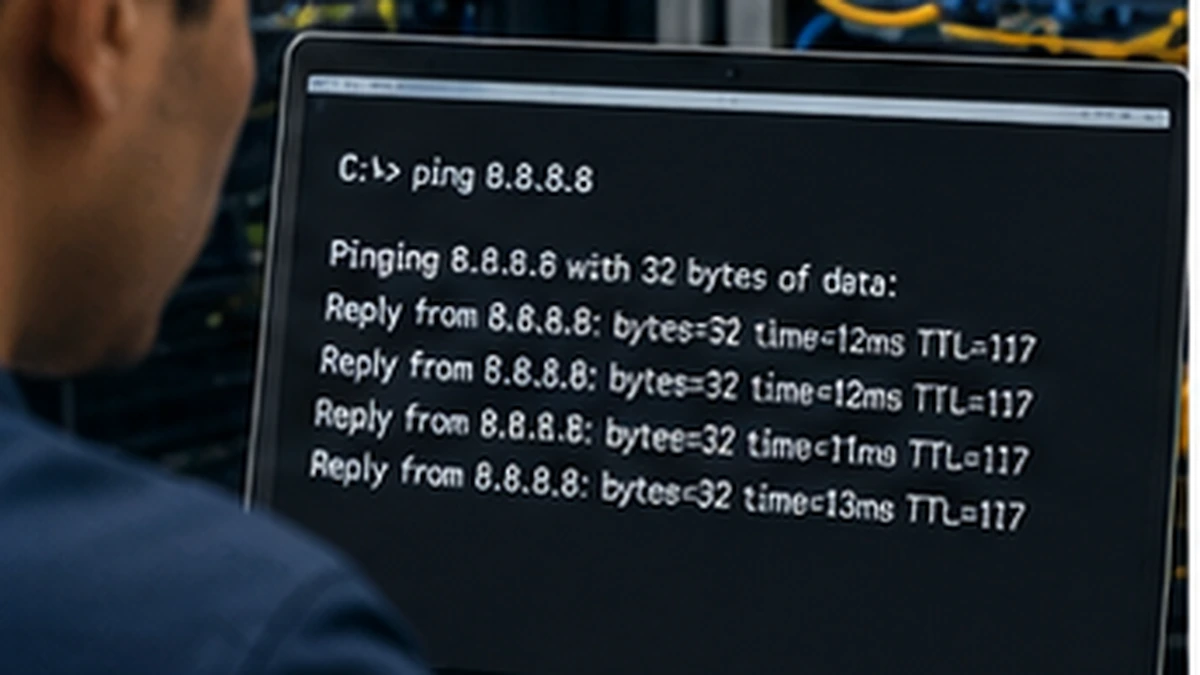
Imagine a device that appears connected but cannot reach the expected service. Instead of changing random settings, the user identifies the local IP information, checks the gateway, tests whether an Internet address is reachable, and then checks DNS. This layered approach shows where find your IP address fits into the path and keeps one symptom from being mistaken for the whole problem.
Connect this topic to the rest of your IP knowledge
Read public versus private IP addresses for one related concept, and use router and gateway information when you need a second piece of the same networking picture.
These links point to other posts in this same first batch. Once all ten posts are published, the site will work as a connected beginner reference rather than as isolated articles.
A seven-day learning plan for find your IP address
Day 1: identify the relevant values on one real device. Day 2: mark which values are local and which are Internet-facing. Day 3: review the router or DNS configuration without changing it. Day 4: perform one safe lookup or connectivity test. Day 5: compare the result with a second device or network. Day 6: write a short explanation in your own words. Day 7: repeat the check without notes and correct any misunderstanding. In this article, apply that point specifically to find your IP address and the network you are actually using.
You can compress the plan into one afternoon if you already understand networking, or spread it across several weeks if the concepts are new. Practical repetition matters more than speed.
Quick checklist
- Key purpose of find your IP address identified
- Local and public context separated
- Current values saved before changes
- DNS and routing roles kept separate
- Security assumptions checked
- One practical test completed
Use the checklist as a learning and troubleshooting aid. The goal is to understand find your IP address well enough to explain what each value does and to know which part of the network to check next.
Frequently Asked Questions
Do I need advanced networking knowledge to understand find your IP address?
No. Start with the basic purpose of each value and use one real device or router as the example. Advanced routing and subnet design can come later.
Can I copy IP settings from another device?
Usually no. Devices need values that fit the actual network, and copying a manual address can create conflicts. Use DHCP unless you have a clear reason to configure an address manually.
Does an IP address identify a person?
Not reliably by itself. Addresses can be shared, changed, translated, or routed through VPNs. Identity requires stronger evidence than one network address.
Should I change DNS or IP settings whenever the Internet feels slow?
No. Slow performance can come from Wi-Fi quality, congestion, routing, the remote service, or the ISP. Change network settings only when the symptoms and tests support that decision.
How to review your understanding of find your IP address
Open the relevant settings, DNS view, or router page and identify the values without changing them. Explain what each value controls, whether it is local or public, and what symptom you would expect if it were wrong. This turns find your IP address from a definition into a troubleshooting skill.
Then compare your explanation with the technical reference and correct any gap. Keep a short note with the terms you confused most often so the next network problem starts with a clearer mental model.
Public IPv4 and public IPv6 may both exist
An IP-check page may show an IPv4 address, an IPv6 address, or both depending on the network. The two addresses belong to different protocol families and may follow different routes.
Use a real device as the reference for this point. Write the current address, record, or route exactly as it appears, then explain what would change if the value were wrong. This turns the concept into a concrete diagnostic step instead of a definition you only memorize. For find your IP address, keep the example tied to the actual network or service you are testing.
Virtual adapters can confuse local address lists
VPN software, virtualization tools, containers, and development platforms can create extra network interfaces. Focus on the adapter currently carrying the connection you are troubleshooting.
Compare the same setting on a second device or network when possible. A difference does not automatically mean one is wrong, but the comparison can reveal which values are supplied by the local router, provider, VPN, or DNS service. For find your IP address, keep the example tied to the actual network or service you are testing.
The router address is usually listed separately
Network settings often display the gateway or router in addition to the device address. These values are related but not interchangeable; the gateway is the next hop for traffic outside the subnet.
Before changing configuration, save the current value and the time of the test. Networking problems can be temporary, so a small record helps separate a persistent configuration issue from a short outage or changing provider condition. For find your IP address, keep the example tied to the actual network or service you are testing.
Mobile data uses provider-controlled addressing
When a phone leaves Wi-Fi and switches to mobile data, the addressing is assigned by the carrier network. Carrier NAT and IPv6 are common, so the values can differ substantially from home Wi-Fi.
Try to predict the symptom before running the test. If your prediction is wrong, update your mental model instead of changing more settings. This habit makes network troubleshooting more reliable and reduces trial-and-error changes. For find your IP address, keep the example tied to the actual network or service you are testing.
Record the network name with the address
An address without context can be misleading later. Note whether it came from home Wi-Fi, office Wi-Fi, mobile data, a VPN, or a server so you know which network the value described.
Finish this step by explaining the result without jargon to someone who does not manage networks. If you can describe what the value controls, where it is valid, and what it cannot prove, you probably understand the concept well enough to use it safely. For find your IP address, keep the example tied to the actual network or service you are testing.
Authoritative resource to review
For a technical reference related to this topic, review Cloudflare Learning Center – What Is My IP Address?. Use your device manufacturer, ISP, hosting provider, or network administrator for configuration details that are specific to your environment.
Final perspective
Find your ip address becomes much less confusing when each value is connected to one job: identifying an interface, deciding what is local, finding the next router, translating a name, or protecting a connection. Learn the role first, then learn the syntax and tools. That order makes troubleshooting faster and reduces the chance of changing the wrong setting.
Leave a Reply