Public vs private ip address public vs private ip address becomes easier to understand when you connect each term to one job in the network. Internet addressing can look complicated because several layers operate at once, but most everyday questions become manageable when you separate local addressing, routing, name resolution, and security.
This guide explains public vs private IP address with practical examples for home users, students, website owners, and people troubleshooting devices. The goal is to help you recognize the important values, avoid common mistakes, and know what to verify before changing a configuration.
Public vs private IP address starts with where it is used
A public IP address is globally unique and intended for Internet-wide routing. A private IPv4 address is meant for internal networks and can be reused in many unrelated homes and organizations.
Apply this section to one real network you use. Identify the exact setting, address, or record involved and write what job it performs before you consider changing it.
The private IPv4 ranges
RFC 1918 reserves 10.0.0.0/8, 172.16.0.0/12, and 192.168.0.0/16 for private networks. These blocks are not globally unique and are not supposed to be routed across the public Internet as ordinary destination space.
Separate observation from assumption here. Record the value you can actually see, then decide what extra test would be needed before blaming that value for a connectivity problem.
Why home devices use private addresses
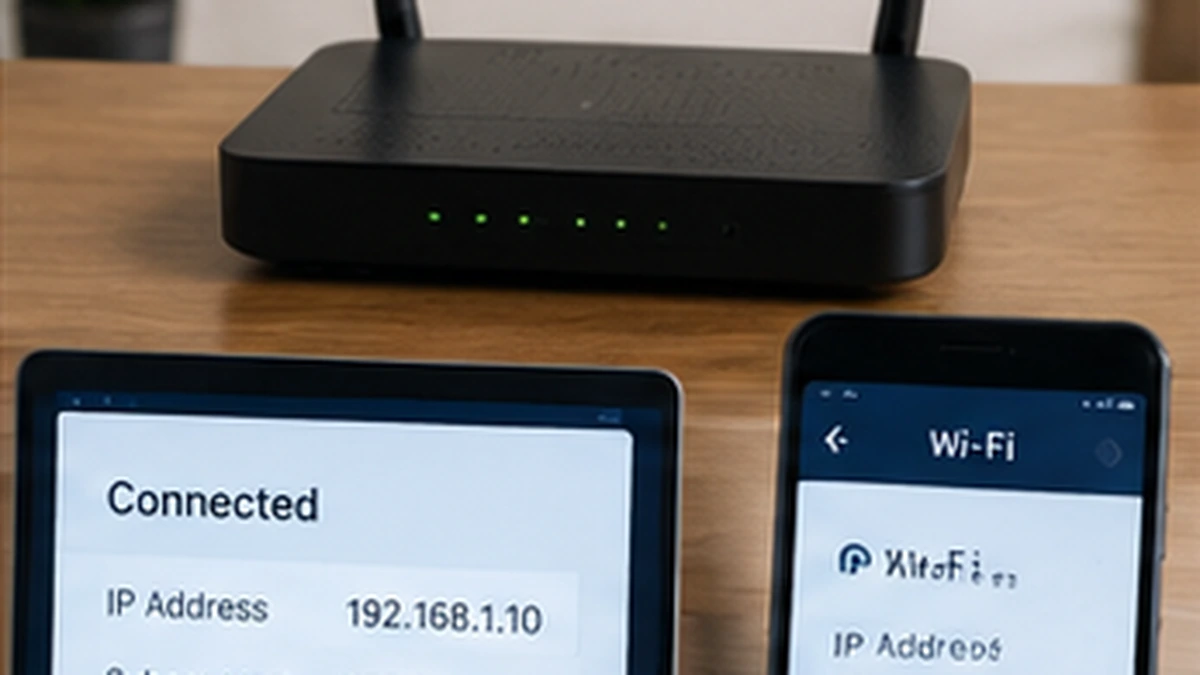
Home routers normally give private addresses to phones, laptops, smart TVs, and other local devices. Those devices can communicate inside the LAN while the router handles communication toward the Internet.
Keep local and Internet-facing context separate. The same number can be meaningful inside one network while being irrelevant or unreachable from another network.
How NAT fits in
With IPv4, network address translation lets multiple private devices share public address space. The router tracks connection state so returning traffic can be associated with the correct device.
If you are troubleshooting, change only one setting after saving the current value. Networking problems become harder to diagnose when several variables move at the same time.
Why 192.168 is not your public IP
Addresses beginning with 192.168 are inside a private range. Websites on the Internet usually see the public-facing address of the connection rather than that private local address.
Use this concept as a decision point rather than a vocabulary exercise. Ask which screen, command, DNS record, or router page would provide evidence about this part of the path.
Private addressing is not complete security
A private address does not automatically make a device secure. Weak Wi-Fi passwords, malware, insecure router settings, or exposed services can still create risk inside or through the local network.
Remember that convenience and security are different goals. A configuration can make access easier while creating exposure, so verify the security effect separately.
Shared public addresses complicate identity
Several devices and sometimes several customers can share a public IPv4 address because of NAT or carrier-grade NAT. One public address therefore should not be treated as proof of one person.
When another device is available, compare it with the affected device. A working control device can quickly show whether the problem is local or network-wide.
When the distinction is useful
Understanding public and private addresses helps with port forwarding, remote access, local printers, servers, VPNs, and explaining why an external IP-check site shows a different value from device settings.
Finish by explaining this idea in one sentence without jargon. If the explanation is still unclear, return to the practical example before moving to more advanced settings.
Private ranges can repeat safely in separate networks
Two unrelated routers can both use 192.168.1.1 because each address only needs to be unique inside its own private routing context. Reuse is intentional.
Carrier-grade NAT adds another layer
Some ISPs place subscribers behind provider-side NAT. That can make inbound connections harder and can cause many customers to appear behind a smaller pool of public IPv4 addresses.
A practical networking example
Imagine a device that appears connected but cannot reach the expected service. Instead of changing random settings, the user identifies the local IP information, checks the gateway, tests whether an Internet address is reachable, and then checks DNS. This layered approach shows where public vs private IP address fits into the path and keeps one symptom from being mistaken for the whole problem.
Connect this topic to the rest of your IP knowledge
Read router IP, gateway, and subnet basics for one related concept, and use static and dynamic IP addresses when you need a second piece of the same networking picture.
These links point to other posts in this same first batch. Once all ten posts are published, the site will work as a connected beginner reference rather than as isolated articles.
A seven-day learning plan for public vs private IP address
Day 1: identify the relevant values on one real device. Day 2: mark which values are local and which are Internet-facing. Day 3: review the router or DNS configuration without changing it. Day 4: perform one safe lookup or connectivity test. Day 5: compare the result with a second device or network. Day 6: write a short explanation in your own words. Day 7: repeat the check without notes and correct any misunderstanding. In this article, apply that point specifically to public vs private IP address and the network you are actually using.
You can compress the plan into one afternoon if you already understand networking, or spread it across several weeks if the concepts are new. Practical repetition matters more than speed.
Quick checklist
- Key purpose of public vs private IP address identified
- Local and public context separated
- Current values saved before changes
- DNS and routing roles kept separate
- Security assumptions checked
- One practical test completed
Use the checklist as a learning and troubleshooting aid. The goal is to understand public vs private IP address well enough to explain what each value does and to know which part of the network to check next.
Frequently Asked Questions
Do I need advanced networking knowledge to understand public vs private IP address?
No. Start with the basic purpose of each value and use one real device or router as the example. Advanced routing and subnet design can come later.
Can I copy IP settings from another device?
Usually no. Devices need values that fit the actual network, and copying a manual address can create conflicts. Use DHCP unless you have a clear reason to configure an address manually.
Does an IP address identify a person?
Not reliably by itself. Addresses can be shared, changed, translated, or routed through VPNs. Identity requires stronger evidence than one network address.
Should I change DNS or IP settings whenever the Internet feels slow?
No. Slow performance can come from Wi-Fi quality, congestion, routing, the remote service, or the ISP. Change network settings only when the symptoms and tests support that decision.
How to review your understanding of public vs private IP address
Open the relevant settings, DNS view, or router page and identify the values without changing them. Explain what each value controls, whether it is local or public, and what symptom you would expect if it were wrong. This turns public vs private IP address from a definition into a troubleshooting skill.
Then compare your explanation with the technical reference and correct any gap. Keep a short note with the terms you confused most often so the next network problem starts with a clearer mental model.
Why inbound connections behave differently
A device using a private IPv4 address is normally not directly reachable from the public Internet without a router rule, relay, VPN, or other mechanism. Outbound connections work because the gateway keeps track of the translation state.
Use a real device as the reference for this point. Write the current address, record, or route exactly as it appears, then explain what would change if the value were wrong. This turns the concept into a concrete diagnostic step instead of a definition you only memorize. For public vs private IP address, keep the example tied to the actual network or service you are testing.
Why port forwarding needs careful use
Port forwarding maps incoming traffic on a public address to a private device. It can be useful for selected services, but it also exposes that service to Internet traffic and should be protected with updates, authentication, and firewall rules.
Compare the same setting on a second device or network when possible. A difference does not automatically mean one is wrong, but the comparison can reveal which values are supplied by the local router, provider, VPN, or DNS service. For public vs private IP address, keep the example tied to the actual network or service you are testing.
How private addressing helps network design
Private space allows organizations to create internal addressing plans without requesting a public address for every workstation, printer, camera, or internal server. This makes internal growth easier but requires translation or gateways for public Internet access.
Before changing configuration, save the current value and the time of the test. Networking problems can be temporary, so a small record helps separate a persistent configuration issue from a short outage or changing provider condition. For public vs private IP address, keep the example tied to the actual network or service you are testing.
Why overlapping private networks can cause VPN trouble
Two separate networks may both use the same private range. When a VPN connects them, overlapping addresses can make routing ambiguous because the same destination may appear to exist on both sides.
Try to predict the symptom before running the test. If your prediction is wrong, update your mental model instead of changing more settings. This habit makes network troubleshooting more reliable and reduces trial-and-error changes. For public vs private IP address, keep the example tied to the actual network or service you are testing.
How to identify which type of address you are seeing
Compare the address with known private ranges and note where you found it. An address shown in Wi-Fi settings is often local, while an external IP-check service normally reports the public path visible to the Internet.
Finish this step by explaining the result without jargon to someone who does not manage networks. If you can describe what the value controls, where it is valid, and what it cannot prove, you probably understand the concept well enough to use it safely. For public vs private IP address, keep the example tied to the actual network or service you are testing.
Authoritative resource to review
For a technical reference related to this topic, review IETF RFC 1918 – Private Address Space. Use your device manufacturer, ISP, hosting provider, or network administrator for configuration details that are specific to your environment.
Final perspective
Public vs private ip address becomes much less confusing when each value is connected to one job: identifying an interface, deciding what is local, finding the next router, translating a name, or protecting a connection. Learn the role first, then learn the syntax and tools. That order makes troubleshooting faster and reduces the chance of changing the wrong setting.